Website to app converter or your own app? How to choose
A website to app converter wraps your site in an app for a monthly fee. That is enough when customers buy rarely and you want to test demand. If you want loyalty points, personal push or a link to your inventory and POS, you need your own app, built on the backend and customer accounts you already have.
 By Eryk Kruk, CEO
 Offers
 Stations
A website to app converter is enough when the app only has to show your website. You need your own app when it has to work with your stock, POS or customer accounts. If your shop already works online, with customer accounts and repeat orders, you now have two very different offers on the table: an app builder that turns your website into an app in days, and a software house that builds an app for you.
Both can be the right call, because they solve different problems.
What does a website to app converter actually do?
A website to app converter, also sold as an app builder, shows your existing website or shop inside an app shell. You get an icon in the App Store and Google Play, a few native extras such as a tab bar and push notifications, and the content updates when your website does.
You pay a subscription. The builders we checked list plans from tens to a few hundred dollars a month, and the fee runs for as long as the app is live.
Inside, it is still your website. That is its strength, and its limit.
When is a converter enough?
A website to app converter is enough more often than software houses like to admit. It makes sense when:
- Your customers buy once or rarely, and the website already works well on a phone.
- You want to see if anyone installs an app at all, before you pay for a build.
- Your shop platform already does everything you need, and the app only has to show it.
- Your budget is a few hundred dollars a month, not a project.
If that is you, start there. Watch how many customers install the app and how often they open it. Those numbers will tell you more than any report.
When do you need your own app?
You need your own app when it has to do something your website cannot, such as loyalty, links to your stock or POS, personal push or real work on the phone. Typical signs:
- Loyalty is the point. Points, rewards and personal offers that customers check on the spot, at a counter or a checkout.
- Your data lives beyond the shop. Stock, POS or CRM systems the app must read and update.
- Push should be personal. A message about what one customer buys, not one blast for everyone.
- The phone does real work. Camera, scanning, location, use with a weak signal.
- You want to own it. The code, the store accounts and the roadmap, with no monthly fee to keep the app alive.
If two or more of these fit, a wrapped website will hold you back.
Will Apple accept an app made from a website?
Apple accepts an app made from a website only sometimes, and that is the risk. Apple's App Review Guidelines say an app should include "features, content, and UI that elevate it beyond a repackaged website." An app that only mirrors your shop can be rejected under that rule. More in why Apple rejects apps, guideline by guideline.
A second rule says apps made from a commercial template or app generation service are rejected unless the provider of the app's content submits them. In practice, the app goes out from your own developer account. Good builders know this. Ask before you sign.
What can your own app do? A real example
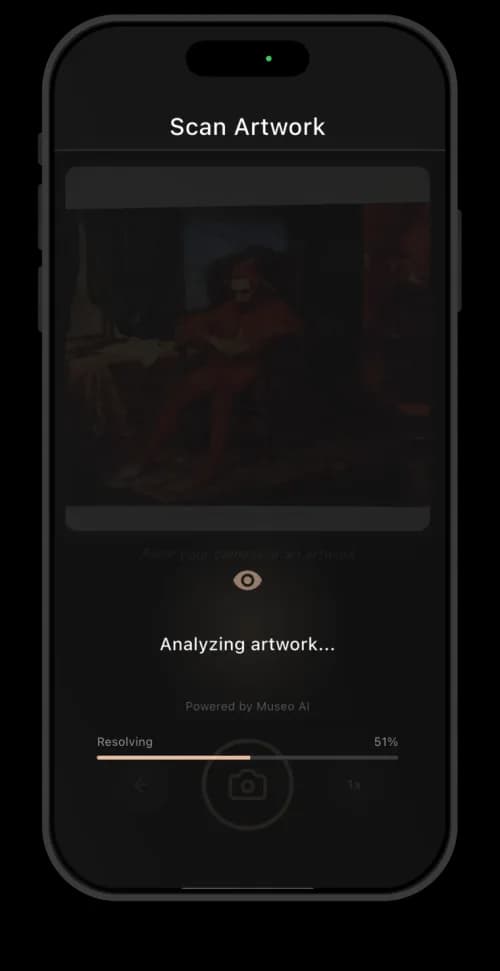
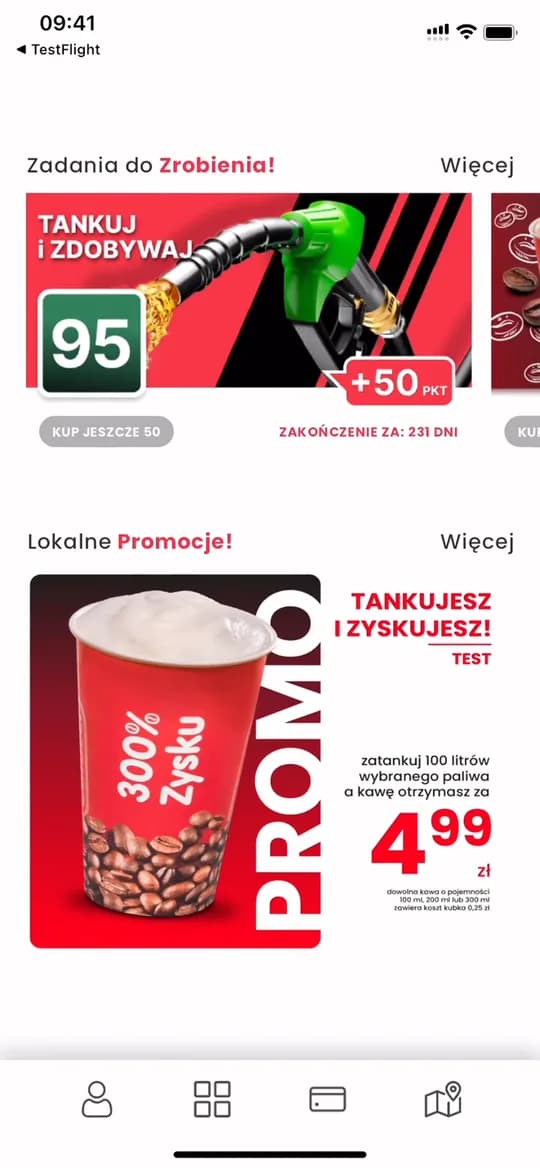
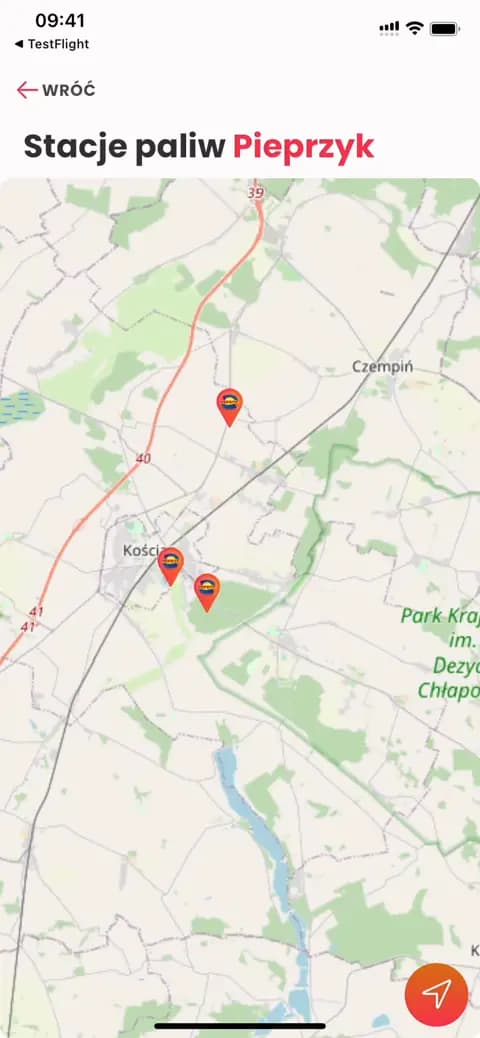
Your own app can work with systems a website never reaches. Pieprzyk runs a network of gas stations with its own inventory and POS systems, but it had no app. The value of a loyalty app there sits in the systems at the stations, not on a website.
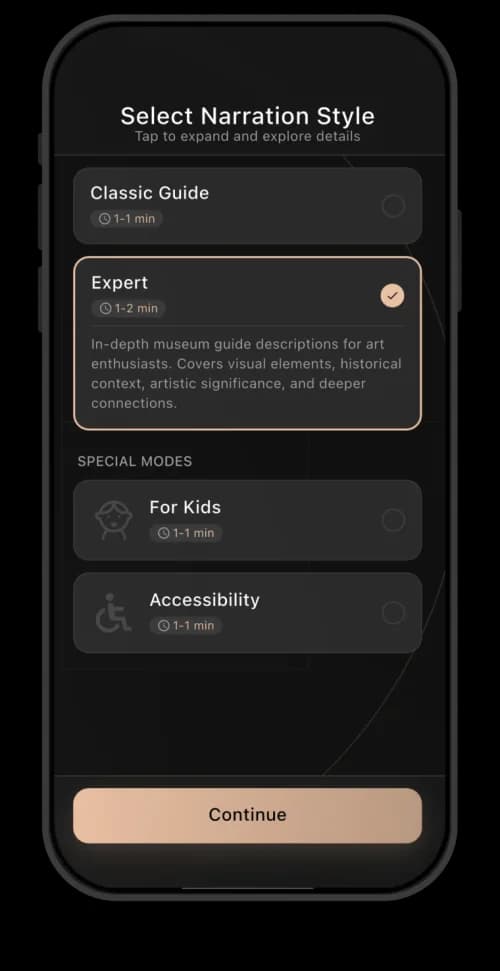
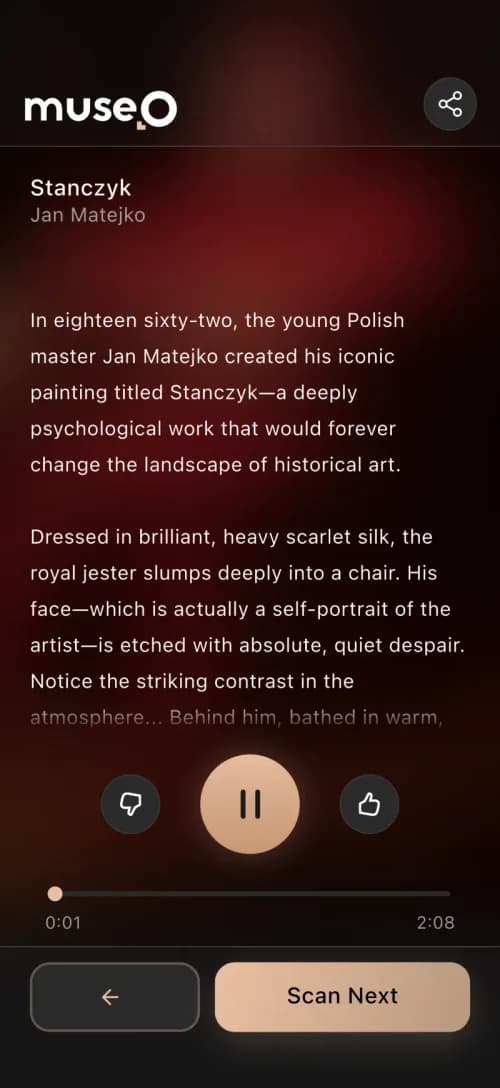
We built a loyalty app, a management panel and a backend linked to their inventory and POS. Customers see prizes and promotions based on where they are, collect points and swap them for rewards. The team runs prizes and promotions from the panel.
The Pieprzyk app has been live at their stations since 2023, serves millions of users, and we still improve it together.
Can the app use my existing backend and customer accounts?
Yes, your own app can use your existing backend and customer accounts, so it does not mean a second system to run. We connect it to your existing backend through an API, so customers sign in with the account they already use on your website. If there is no API yet, we build a thin one on top of what you have.
Your data stays where it is. If you have your own developers, they keep the backend and we build the app against it. You own the code, the cloud account and the store accounts.
The store accounts cost little: Apple charges 99 USD a year, Google Play a one-time 25 USD (as of October 2026). A company account at Apple needs a D-U-N-S number, so request it early.
How does it go, and what does it cost?
A custom app at Codigee takes 8-12 weeks and starts from $15k, typically $15-50k, after a $5k Prototype to Plan that is credited in full to the build. Every app we build comes with a 6-month guarantee.
- Weeks 1-2Prototype to Plan: key screens and a fixed price per milestone
- Weeks 3-10Build on your systems, a new build on your phone every week
- Weeks 11-12Tests, store listing and launch in both stores
- After launch6-month guarantee
Prototype to Plan costs $5k, takes 1-2 weeks and is credited in full to the build. The build starts from $15k, typically $15-50k. It includes the links to your systems and an admin panel with MCP, so you can ask Claude or ChatGPT about your data. What moves the price up or down is in how much it costs to build an app in 2026.
You pay a fixed price per milestone and get an invoice per accepted milestone. You can stop after any milestone.
We build with AI because it makes us faster, and AI tests every build. Codigee experts review every line before it ships.
Not sure an app pays off at all? Read when an app pays off for a company with customers. Ready to look at your case? See how we work with companies and how we turn a web product into an app.
Common questions
01Is a website to app converter good enough for an online shop?
Often yes, if customers buy rarely and your site works well on a phone. It is a low-cost way to test whether customers install an app. Once you need loyalty, personal push or links to your inventory and POS, it will hold you back.
02Will Apple reject an app made with a website converter?
Yes, Apple can reject an app made with a website converter. Apple's guideline 4.2 asks for more than a repackaged website, and 4.2.6 rejects template apps unless the content provider submits them. The more the app only mirrors your site, the higher the risk.
03How much does a custom app for my business cost?
At Codigee every build starts from $15k, typically $15-50k, in 8-12 weeks. The first step is Prototype to Plan for $5k, credited in full to the build. You pay a fixed price per milestone.
04Can the app use my existing customer accounts?
Yes. We connect the app to your backend through an API, so customers sign in with the account they already have. If there is no API yet, we build a thin one on top of your systems.
05Can a loyalty app connect to my POS system?
Usually, yes, a loyalty app can connect to your POS system. Pieprzyk's loyalty app is linked to the company's own inventory and POS systems. We check how your POS shares data in Prototype to Plan, before you commit to the build.
06Who owns the app?
With us, you do: the code, the cloud account and the store accounts. With a builder, ask what happens to the app if you stop paying the subscription.