How much does it cost to build an app in 2027?
In 2027, an iOS and Android app built by a senior team starts at about $15k for a first version with one core flow. A full product is typically $25-35k, and with links to your own systems $35-50k. These are Codigee's prices as of November 2026, for projects starting in 2027. Below: what each budget buys, the costs that come on top for three years, and what AI changes.
 By Eryk Kruk, CEO
 Stations
 Amount
 Loyalty card
How much does an app cost in 2027?
A first version starts at $15k. A full product is typically $25-35k, up to $50k with links to your own systems. The build takes 8-12 weeks (a lean MVP about 8).
Both are one Flutter codebase for iOS and Android, with a backend, an admin panel and the release in both stores. You do not pay for two apps.
Before any build there is a plan: Prototype to Plan, $5k, 1-2 weeks, 100% credited to the build.
These prices are valid as of November 2026 for projects starting in 2027. We usually start about 2 weeks after signing, so a project agreed in January can be in both stores in spring.
Want one budget broken down line by line? Read What $15k really buys.
A worked example: a shop chain that already has a website
Picture a company with 20 shops and an online store. It wants an app with customer accounts, a loyalty card on the phone, push messages about offers and the order history from the online store. The points live in the till system (POS), which has no API yet.
This app lands in the $35-50k row. Accounts, the card and push messages alone would be a full product at $25-35k; the thin API on top of the POS is what moves the budget up. A cheaper path is two steps, each with its own fixed price: first the app with points imported once a night, then live points once customers use the card.
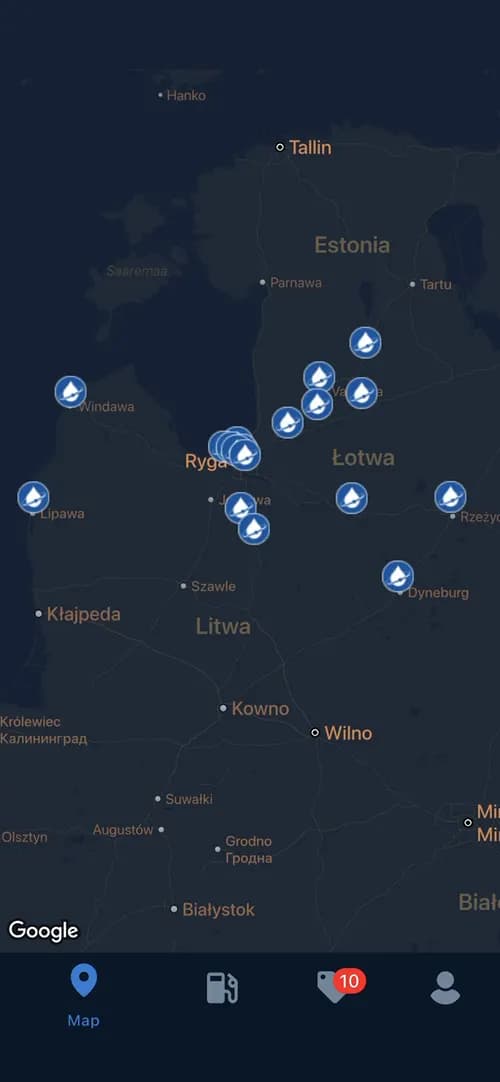
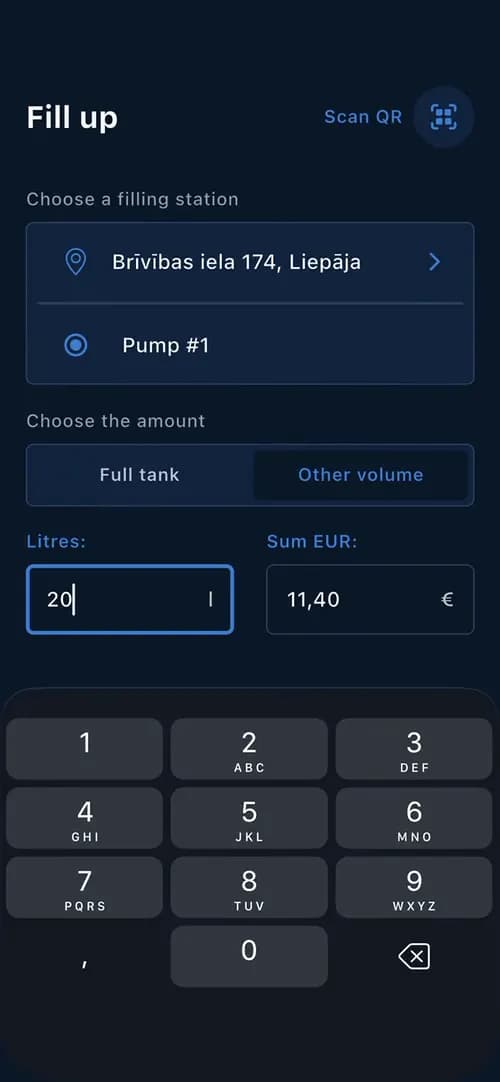
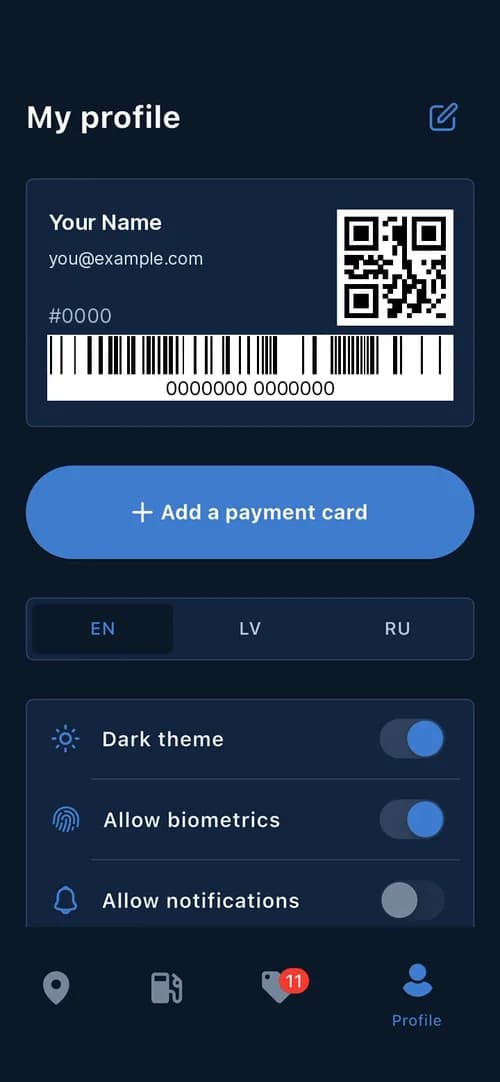
This is an illustration of how we price, not a quote. CrossChem, shown at the top of this article, is a real app of this kind, linked to the station system. See the CrossChem case study.
What drives the cost of an app?
Integrations, payments and roles drive the cost of an app more than screen count does. A list screen and a payment screen can differ by days of work. These are the things that really move the price:
- Links to your systems. Stock, CRM, ERP or POS. If there is no API yet, we build a thin one on top of what you have.
- Payments and subscriptions. Plus the store rules that come with them.
- Accounts and roles. Customers, staff and admins, each seeing different things.
- Real-time features. Chat, live status and maps.
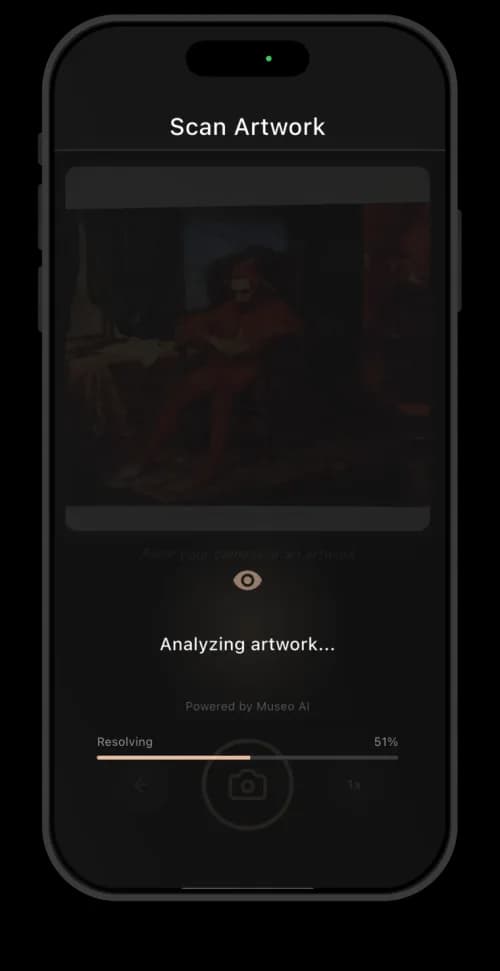
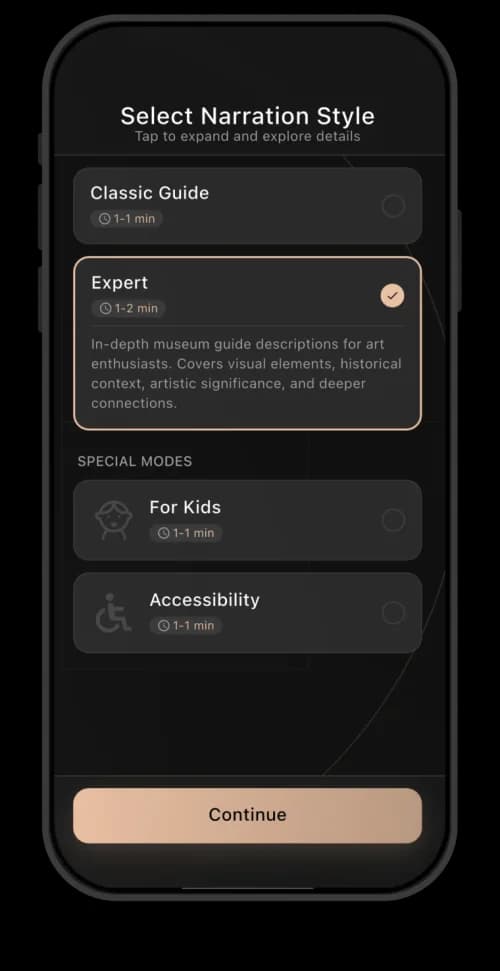
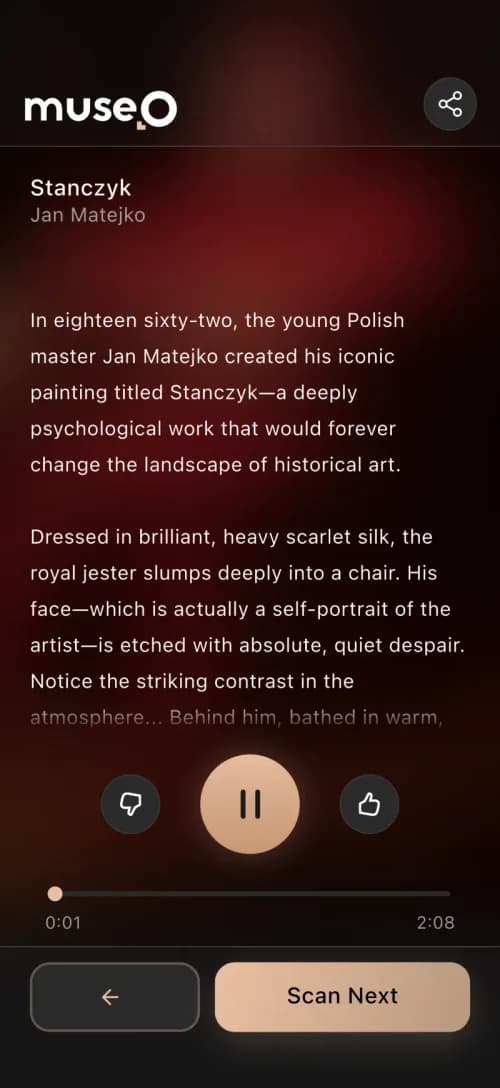
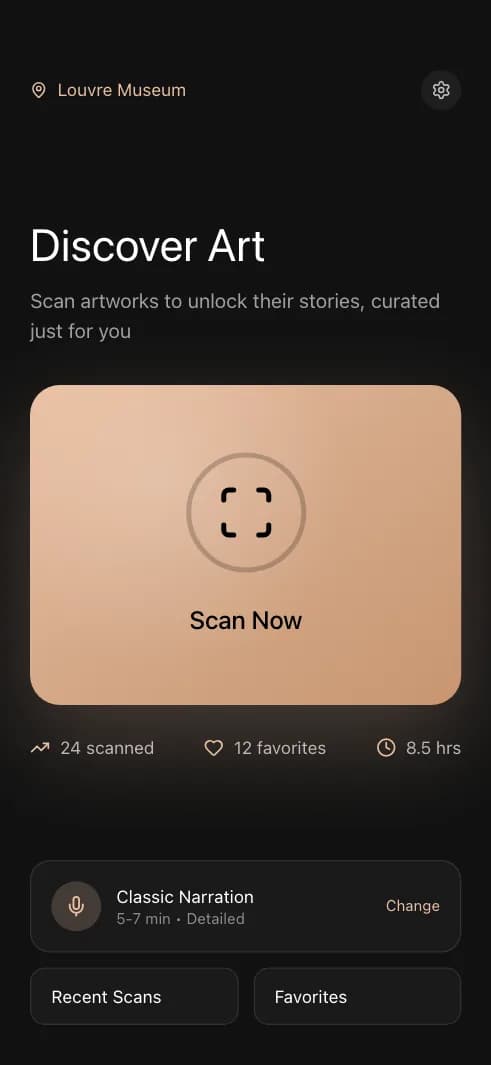
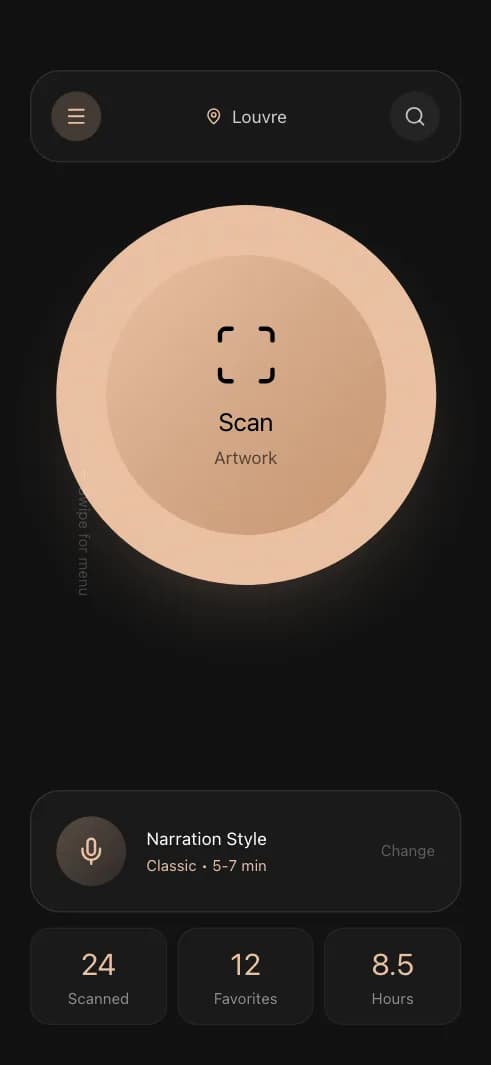
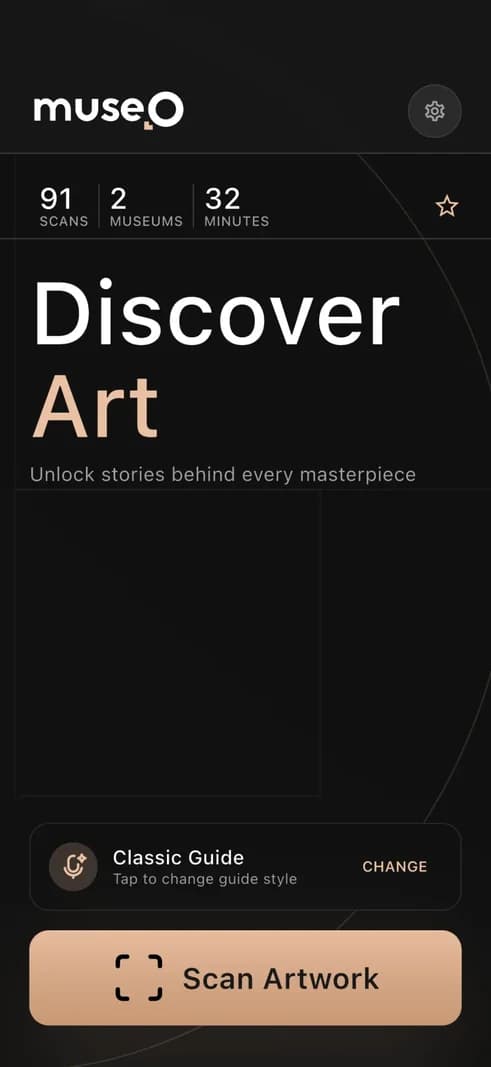
- Languages and offline mode. The Museo app runs in 28 languages.
- Custom animation and 3D. Worth it in some products, and it always comes on top.
A good sign: the second app on the same systems costs less. For Pieprzyk, the second app cost 70% less than the first.
Fixed price or hourly: which costs less?
A fixed price per milestone is usually the safer choice for a first app, even though hourly rates look lower on paper. With hourly billing, the risk of a slow week sits with you. With a fixed price, it sits with us.
For a company building its first app, a fixed price is usually the safer choice. You know the number before work starts. This is how an example $25k App Launch splits:
Example only. Your milestones and prices come out of Prototype to Plan.
For more on how milestones protect your budget, read fixed price software development.
What costs come on top of the build?
On top of the build come the store accounts (Apple 99 USD a year, Google Play 25 USD once), store fees on digital sales, the cloud and yearly updates. In apps we build, the cloud bill is about $0 a month up to a few hundred thousand users. Plan for these from day one:
What changes in the stores in 2027?
Neither store has announced its 2027 build rule yet (as of November 2026), but both follow a yearly rhythm. Apple's new minimum Xcode applied from late April (Xcode 26 on April 28, 2026), and Google Play's target API deadline has been August 31 every year. Plan two small updates in 2027: one in spring, one before the end of summer. Check Apple's upcoming requirements and Google's target API level page.
One 2027 date is already fixed. From February 1, 2027, Google Play will not accept updates of apps that target Android 15 or higher and do not support 16 KB memory pages, a change in how newer Android phones manage memory (Android developers, 16 KB page sizes). It matters most for apps with native libraries or old third-party SDKs, so test it in your next update.
Google Play also changed its service fees on June 30, 2026 in the EEA, the UK and the US: the fee on a digital purchase now depends on the product type and on whether the buyer is a new or an existing user. If your app sells digital goods, check the current table in Google's Play Console help before you set prices.
Selling physical goods? Apple requires a payment method other than in-app purchase for goods and services used outside the app, such as Apple Pay or a card. Orders from your shop keep your own payment provider.
For the first 6 months after launch, our own bugs are on us. After that, Care keeps the app up to date from $2k a month. Or your developers take over: the code and the accounts are yours.
What does an app cost over 3 years?
Over three years, an app costs the build plus about 125 USD in store accounts in year one, 99 USD a year for Apple after that, the cloud, and either Care or your own developers for updates. The rest is small but certain.
Care is not mandatory: the code and the store accounts are yours, so your own developers can take over at any time. Care fits a company with no developers of its own, and Codigee reacts within 3 days.
The second app is where the 3-year view pays off. For Pieprzyk, the second app on the same systems cost 70% less than the first, because the backend and the admin panel were already there.
Can I just wrap my website in an app?
You can wrap your website in an app, and it costs the least up front, but it often fails review. Apple's guidelines ask for "features, content, and UI that elevate it beyond a repackaged website."
An app pays off when it does something your website cannot: a push at the right moment, a loyalty card on the phone, a scanner at the counter. Website to app converter or your own app? compares both options. Not sure you need an app yet? Read when an app pays off.
How does AI change the cost of building an app?
AI lowers the cost of building an app by making good teams faster. It is part of why a full app fits in about three months and a five-figure budget.
- Prototypes in days. AI draws many directions for your key screens. You click them on your phone in the first 1-2 weeks, before any code is written.
- Tests on every build. Every build runs unit, widget and UI tests. AI helps us write them, so core flows are fully covered. Digitoys has 3,000+ automated tests.
- A new build every week. You see progress on your phone and correct course early, while changes still cost little.
- Nothing lost after calls. AI summarizes every meeting into tasks.
FishPRO went from the first call in April to both stores in June.
What does AI not change?
AI does not choose your architecture, keep your keys safe or answer Apple's reviewers. Codigee experts review every line, and the hard calls stay with people.
It also does not change store fees, yearly updates or the time someone on your side needs for feedback each week. If a quote is low because "AI does it all", ask who checks the code, and who fixes it after launch.
Already built something with Lovable, Bolt or Replit? Part of the work is done. See how we take an AI prototype to the stores.
Adding an AI feature, such as a chat assistant or document reading? It also has a monthly bill for the model. Read AI app development cost for six examples of what AI costs to run, from about $2 to $340 a month.
How do you set an app budget for 2027? 6 steps
To set an app budget for 2027, write down the one job the app must do, list the systems it must talk to, and get a fixed price per milestone before you sign. These six steps take a few hours on your side and save weeks later.
- Step 1Name the one core flow. The thing a customer does in the app every week: order, book, scan, pay. Everything else waits for version two.
- Step 2List your systems. Shop, CRM, ERP, POS, stock. For each one, find out if it has an API. A missing API is the most common reason a budget grows.
- Step 3Decide who uses it. Customers only, or also staff and admins? Each role sees different screens and needs its own permissions.
- Step 4Pick your top limit. Say the number out loud to the team you talk to. A good team tells you what fits under it, not what fits over it.
- Step 5Ask for milestones with prices. Each milestone has a fixed price and a date, and you can stop after any of them.
- Step 6Add three years of running costs. Store accounts, the cloud and the yearly updates from the table above.
Want to try it on your own app first? The app development cost calculator walks you through the same steps in about 2 minutes, with our real prices.
What are the most common app budget mistakes?
The most common app budget mistakes are paying for two native apps when one codebase would do, setting no top limit, and leaving the code or the store accounts in someone else's name. Each one is easy to avoid if you know it before you sign.
- Paying for two apps. A separate iOS and Android build doubles much of the work. One Flutter codebase covers both, and our prices include both.
- No top limit. Without a number on the table, the scope grows to fill any budget. Name your limit in the first call.
- Accounts in the agency's name. If the store accounts or the code belong to the agency, leaving it costs you a rebuild. Insist on owning them from day one.
Choosing between several teams? Read how to choose a software development partner for the questions that show who really carries the risk.
Who is a $15-50k app for, and who is it not for?
A $15-50k app fits a company that already has customers, a website or a working prototype, and needs one app that does a clear job well. It does not fit a one-week marketing app or a program that needs a team of twenty for years.
Already have an app made by another team? Before you pay for new features, an App Audit before a new team takes over ($5-8k) tells you what is inside and what it would cost to keep it.
How do I get a real number for my app?
To get a real number for your app, start with Prototype to Plan. In 1-2 weeks you get the key screens, the tech plan and a fixed price for each milestone. The $5k is credited to the build, or you take the plan to any team.
All our prices are on the pricing page. To see how a build runs week by week, read how we work, and for company projects, see Codigee for companies.
Common questions
01How much does a simple app cost in 2027?
At Codigee, a first version with one core flow (MVP) starts at $15k and takes 8-12 weeks (a lean MVP about 8). It includes the app for iOS and Android, a backend, an admin panel with MCP and the release in both stores.
02Does an app for only iOS or only Android cost less?
Not with us. We build both from one Flutter codebase, and our prices already include iOS and Android. You do not pay for two apps.
03Does AI lower the cost of building an app?
It makes it faster, and speed lowers the cost. Prototypes, tests and weekly builds take less time. Store review, a secure backend, updates and expert review still take real work.
04What does an app cost per year after launch?
The Apple Developer Program is 99 USD a year, and Google Play has a one-time 25 USD fee. At launch the cloud usually costs little: in apps we build, about $0 a month up to a few hundred thousand users, often within free tiers. It grows with your traffic; we estimate it for your app in Prototype to Plan. After the 6-month guarantee, Care starts at $2k a month, or your own team takes over.
05Fixed price or hourly: which should a company choose?
For a first app, a fixed price per milestone is usually safer: you know the number before work starts and can stop after any milestone. Hourly, $60/h with a 120 h monthly minimum, fits companies that already run their own product team.
06How long does it take to build an app?
The build takes 8-12 weeks (a lean MVP about 8). We usually start about 2 weeks after signing.
07Will app development prices go up in 2027?
Codigee's prices on the pricing page, as of November 2026, apply to projects starting in 2027: from $15k, typically $15-50k. Every project gets a fixed price per milestone before work starts, so the number does not change halfway.
08How much does it cost to update an app every year?
Apple and Google raise their requirements once a year, so every app needs at least one update a year. Care covers it from $2k a month after the 6-month guarantee, or your own developers do it.
09Does the price include the admin panel and the store release?
Yes. MVP / App Launch includes the app for iOS and Android, a backend, an admin panel you can talk to in Claude or ChatGPT (MCP) and the release in both stores. Store accounts are paid by you, to Apple and Google, and stay in your name.
Was this article useful?
5.0 / 5 · 3 ratings