Top AI software development companies in Europe (2026): how we compared them
Every software company now says it builds with AI. If you are looking for an AI software development company in Europe, the hard part is telling them apart before you sign. This list compares eight companies on the same four public facts, taken from their own sites on 1 November 2026. Codigee wrote it and comes first, and we show why with real screens and numbers from apps we shipped.
 By Eryk Kruk, CEO
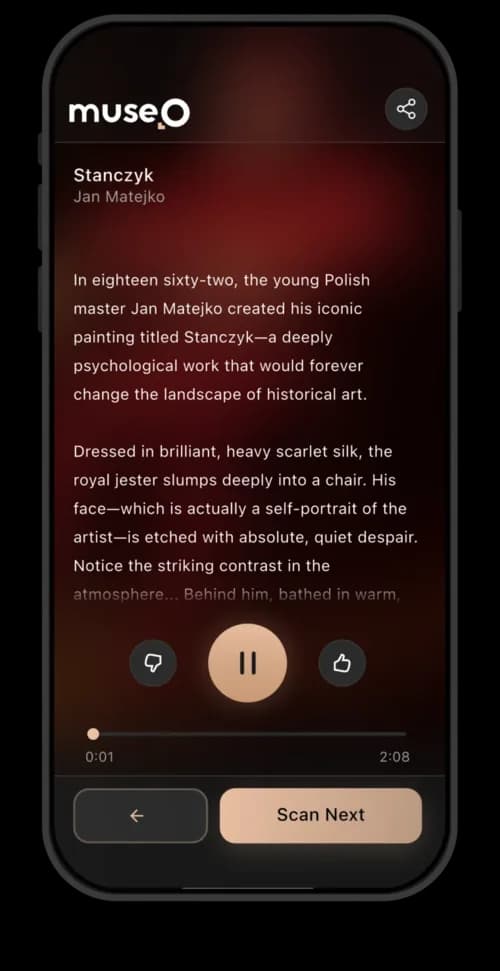
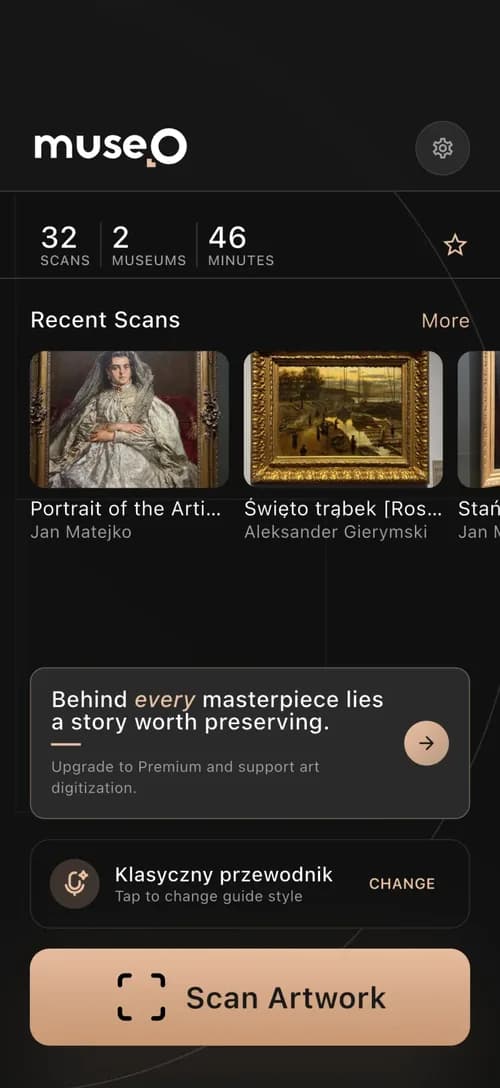 Museo: scan
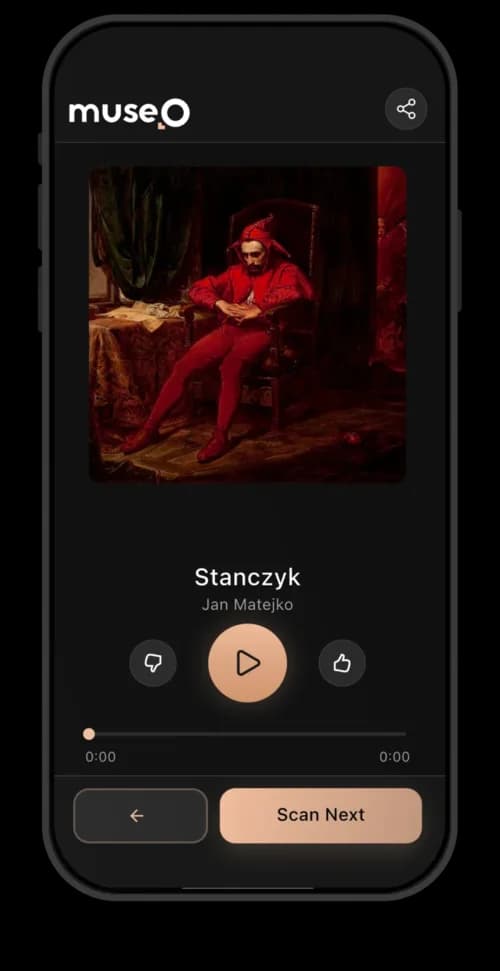
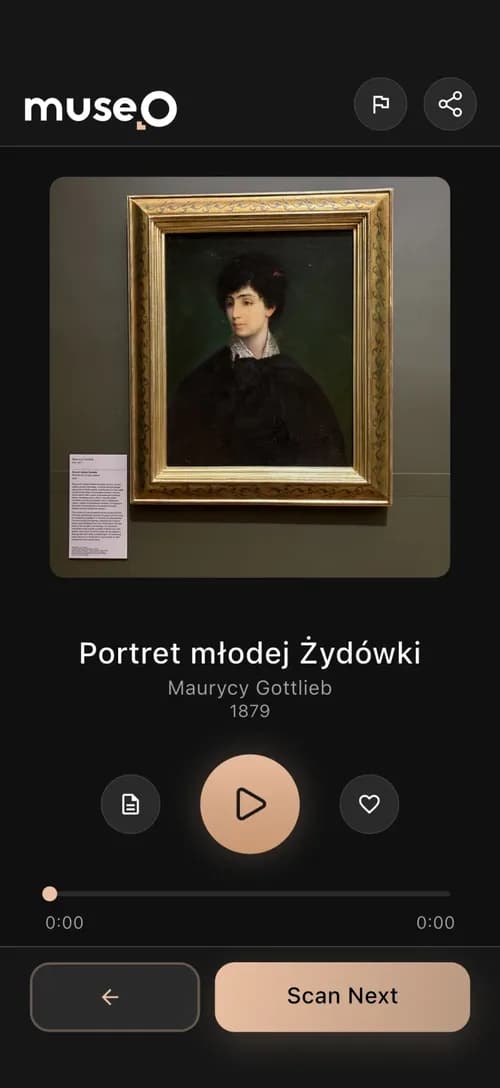 Museo: narration
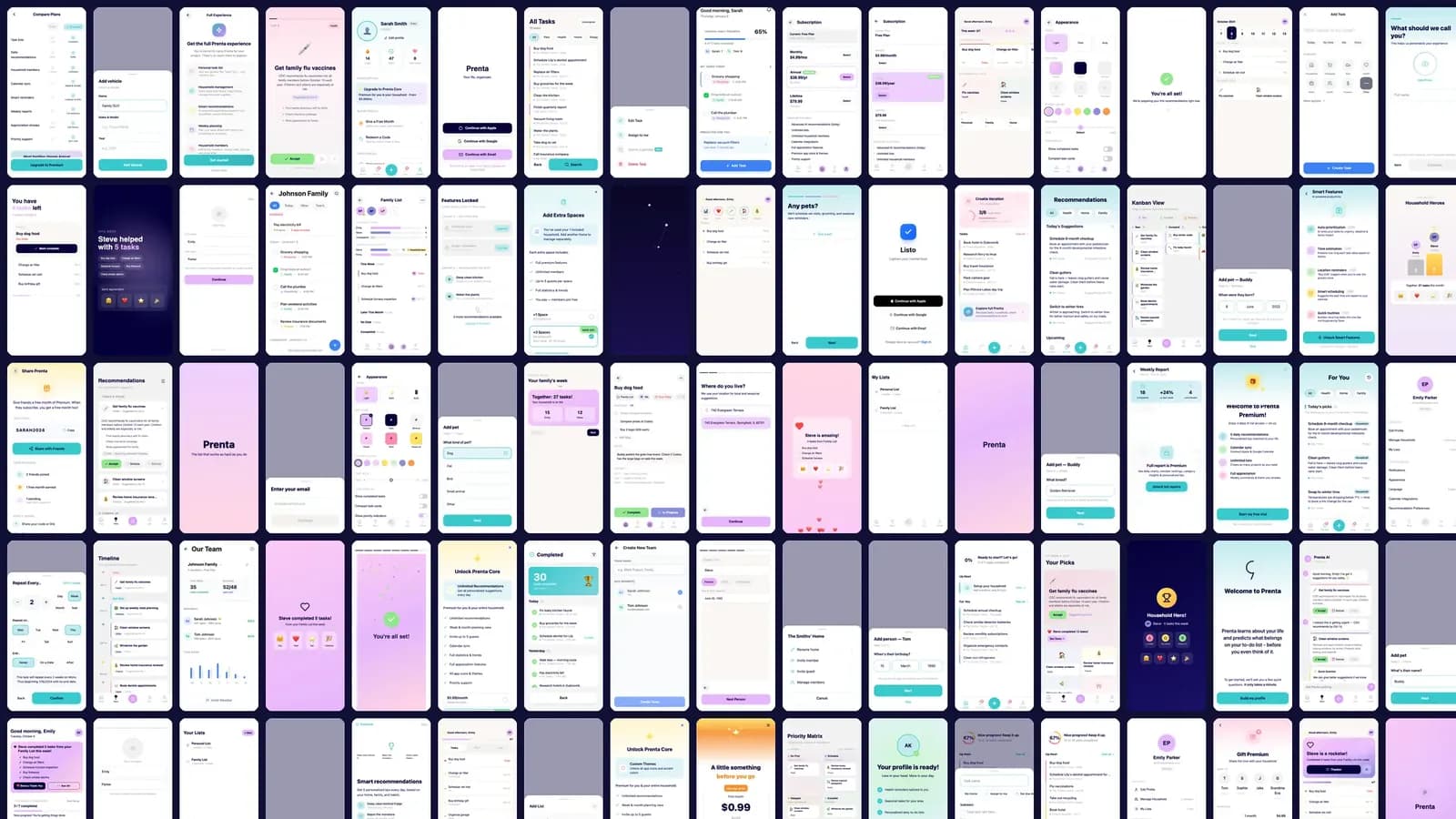
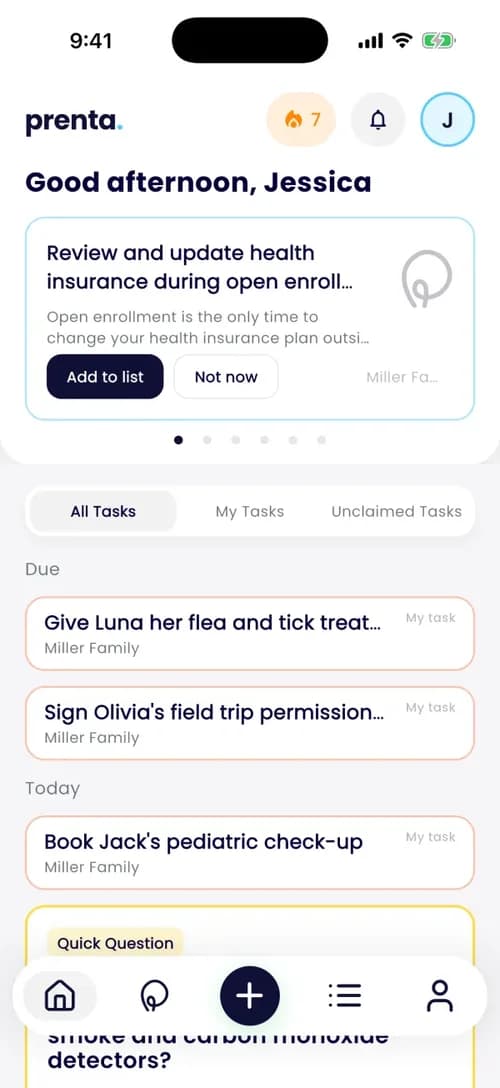 Prenta: agent tasks
You have a budget cap, a deadline and a product with AI in it. You open ten software company websites, and they all say the same things: "AI-powered", "senior team", "trusted partner". So which one will actually ship your product on budget, without surprises?
This article helps you answer that in about a week. You get a short list of eight AI software development companies in Europe, the four facts we checked for each one, four questions that show how a company really uses AI, and a 5-day plan to get from a long list to three calls.
Disclosure first: Codigee wrote this list, and we put ourselves first. We show why with things you can open: screens from apps we shipped, numbers from those projects and our prices. After us, the companies follow in alphabetical order, with no scores. Every fact about them comes from their own website, as shown on 1 November 2026, so you can check each one yourself.
How we compared them: 4 facts you can check yourself
In short: we checked the same four facts for every company, and each one comes from a page you can open: the company's own website. Those facts are what it says it does best, public proof of AI work, whether its prices are published, and where it is based. We used no private data and no opinions about anyone's work.
Why these four? They are the questions buyers ask us on the first call, and each one is easy to check and hard to fake. We left out anything that needs a judgement call, such as "best design" or "best code", because we cannot measure that fairly for someone else's team. We also left out headcount, years on the market and the number of offices or reviews: they say how big a company is, not whether the people on your project have built a product like yours.
How we picked the companies: well-known firms from Poland, Bulgaria, Portugal and Romania that say they build software with AI. Many good companies are not here. That says nothing about them: a list of eight is short on purpose.
Who shows real AI work and real prices before the first call?
In short: all eight companies show some public AI work, so the useful question is what kind: a service description, or AI running inside a product people use. On 1 November 2026, Codigee was the only one of the eight with its prices on its website. The table puts the four facts side by side, Codigee first and the rest alphabetically.
A few terms from this table, each in one sentence. Flutter is Google's toolkit for building one app that runs on both iPhone and Android from the same code. An admin panel is the back-office website where your team manages users and content without calling a developer. Agentic AI is AI that carries out a task in several steps on its own, not only answers a question. Machine learning is software that learns patterns from examples instead of following hand-written rules. Open source means the code is public, so anyone can read it. A SKILL.md file is a written instruction that tells an AI coding tool how we want a piece of work done.
The 8 companies, one by one: what each is best at
In short: one section per company. Ours is the longest because we can show our own work from the inside: real screens, numbers from shipped projects and our Clutch rating. For the other seven, we describe in a few lines what each says it does best, link to its own site and say who it suits, based on its own focus.
1. Codigee (Poznan): Flutter apps with AI built in, from one senior team
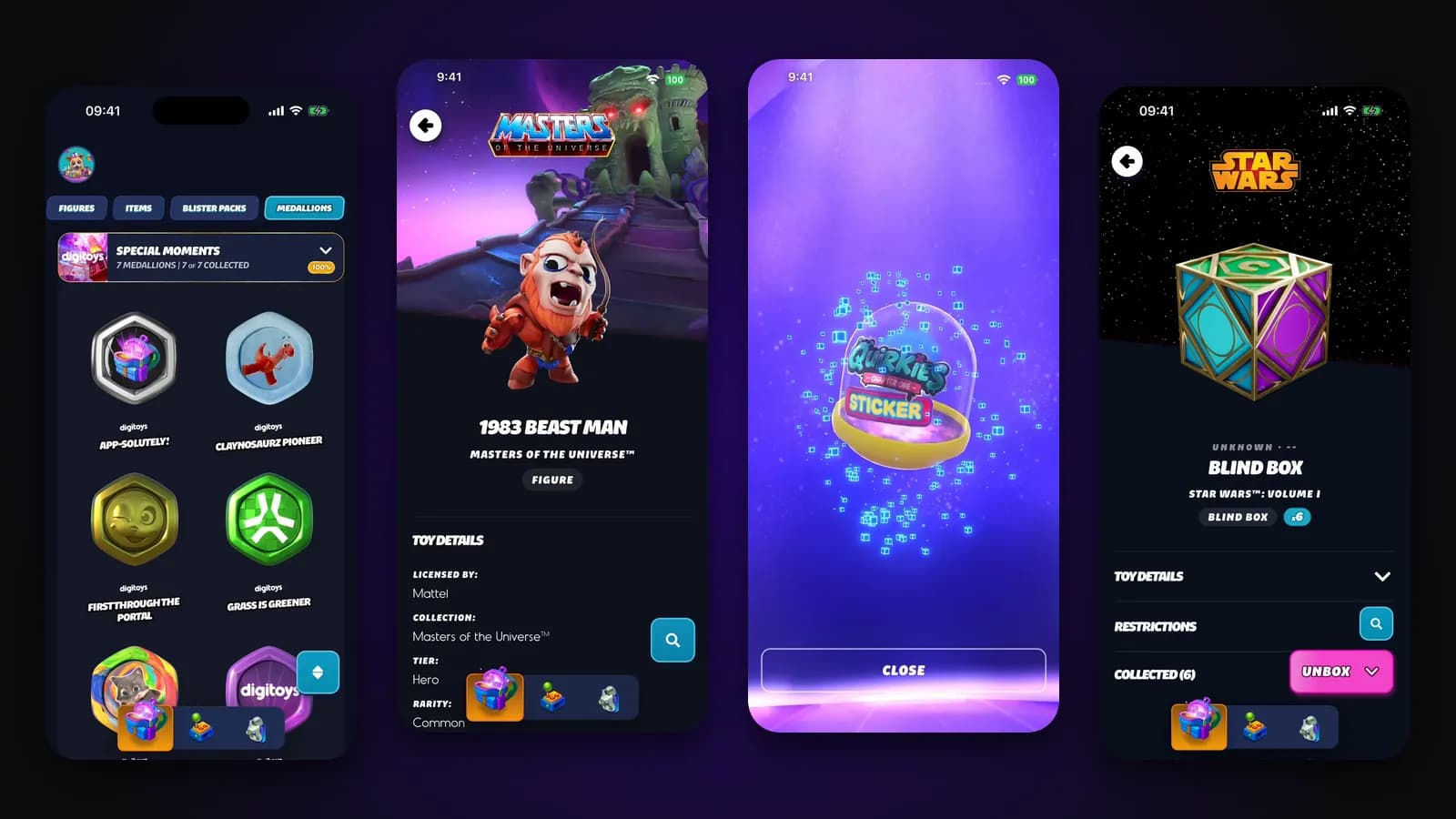
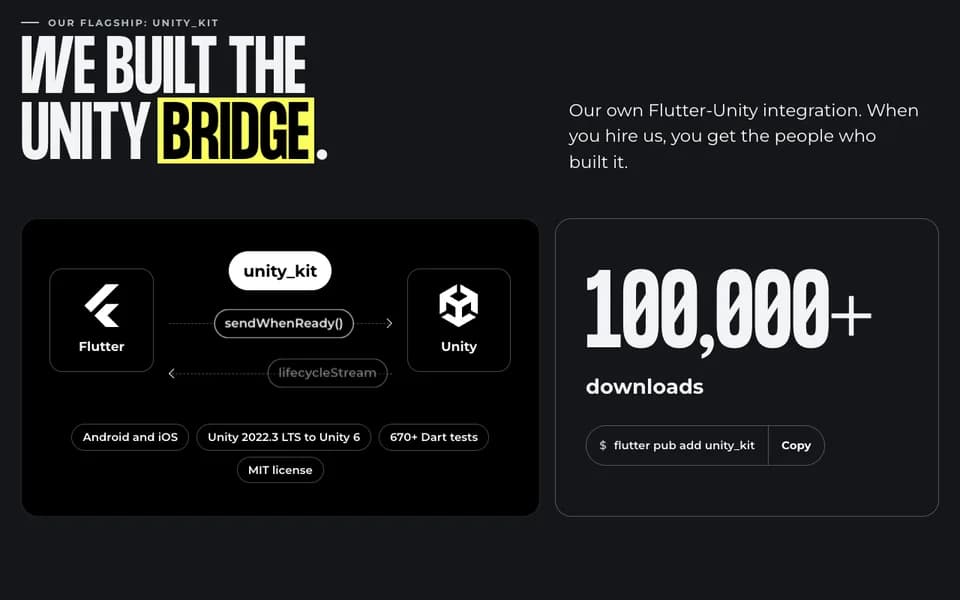
What we are best at: mobile apps for iPhone and Android, built in Flutter, with AI inside the product, not only in our tools. One team designs and builds the whole thing: the app, the backend (the server and database behind it), an admin panel you can talk to through Claude or ChatGPT, and the release in both stores. The "talk to" part uses MCP, an open standard that lets an AI assistant read and change data in your system when you ask in plain words. We also put Unity, a game engine for 3D scenes, inside Flutter and React Native apps.
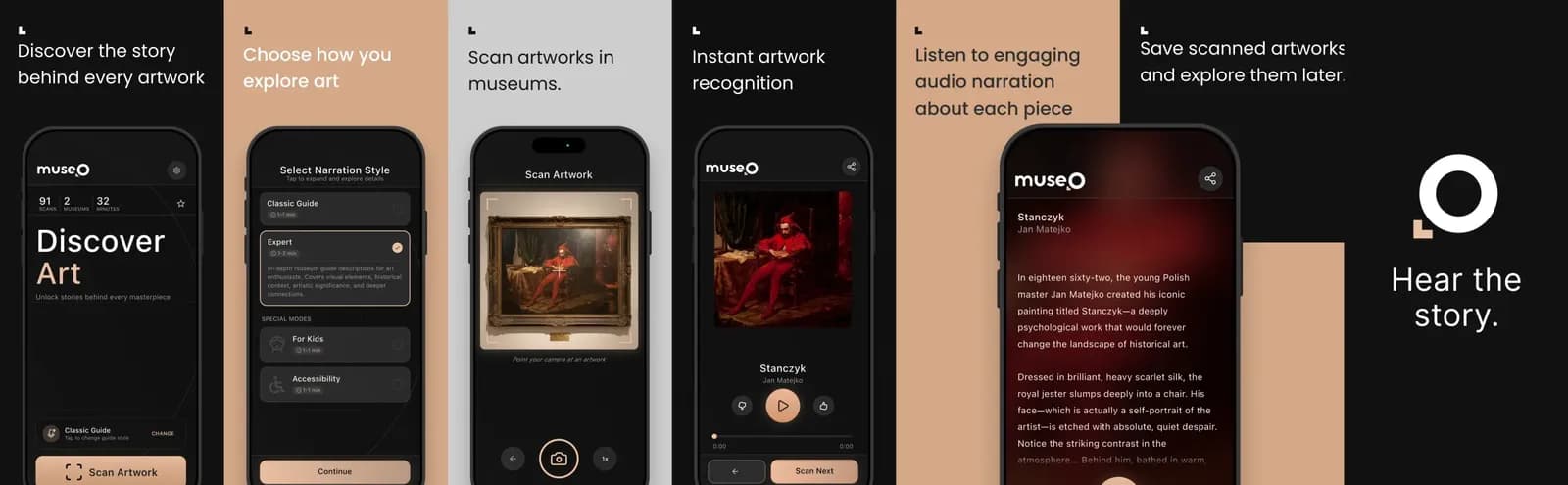
Proof from shipped projects: Museo, an AI museum guide, went from concept to a live product in about 3 months. It has 6 components built by one team, recognises an artwork in about 100 ms, shows its interface in 28 languages and narrates in 20+ languages. Prenta, a household to-do app, started as the founder's AI prototype: four rounds of clicking, 195 screens, the best 10 kept, then a full product with a calendar agent and a store build.
Seniors on every project: we are a small senior team on purpose. The people on your first call are the people who design and build your product, with no account managers or sub-teams in between, so nothing gets lost on the way. A senior engineer reads every line before it ships, and you see a new version on your phone as the work goes on.
Predictable cost: our prices are on the pricing page, so you know before the first call whether we fit your budget cap. Prototype to Plan is $5k and credited to the build, MVP / App Launch starts from $15k and is typically $15-50k, with a fixed price per milestone.
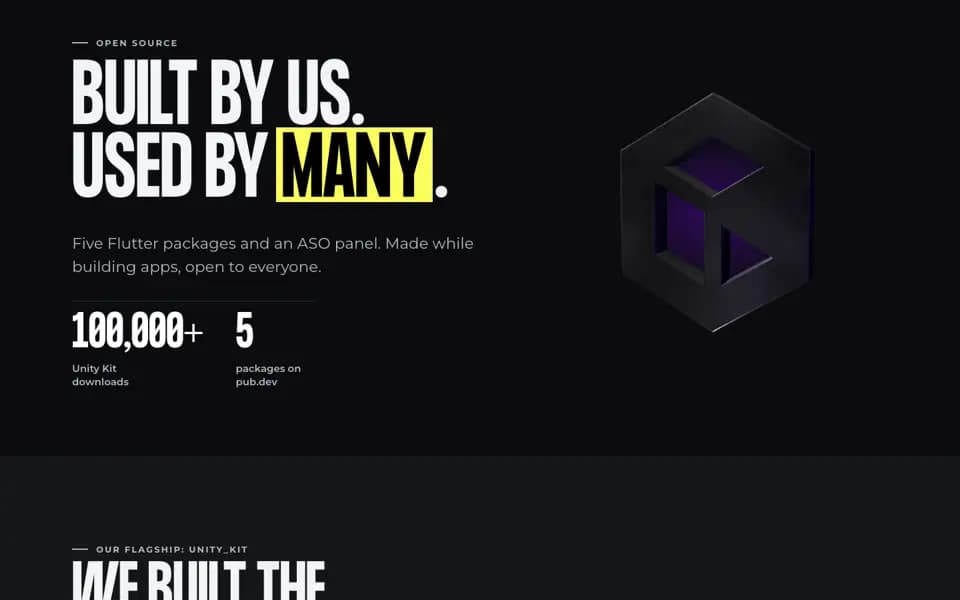
Rated 5.0 on Clutch: two Clutch 2026 awards, Top Flutter Developers Poland and Top App Development Company Poland. Listed in Google's Flutter Consultants directory. Clients include Fitatu, Pieprzyk, StorySurf, HopX, Fishpro and Momentum. Our open-source packages, including unity_kit for Unity inside Flutter apps, are public, so you can read our code before you talk to us. Founders: Eryk Kruk (CEO), Maks Kulicki (CTO) and Maciej Szulc (board member and advisor).
Best for: companies and owners with a fixed budget who want a mobile product with AI built in, end to end, and teams that need Unity inside a Flutter or React Native app.
2. Dreamix (Sofia): custom software with AI and machine learning

What they focus on: custom software development with AI, machine learning and data. The Dreamix website offers agentic AI development and AI/ML model development.
Best for: companies planning a custom system built around AI and data.
3. Imaginary Cloud (Lisbon): web products from design to code

What they focus on: web and software products from design to code. Its site describes AI-enabled engineers who work with AI agents and keep a human in the loop, which means a person reviews and approves what the AI produces. Its case studies include Environmental Intellect, a machine learning project.
Best for: companies that want web product design and development from one partner.
4. Miquido (Krakow): mobile apps and AI

What they focus on: mobile apps and AI. Its homepage line is "Engineered by seniors, accelerated by AI". Case studies on its site include Nextbank (AI credit scoring, which estimates whether a borrower is likely to repay) and Nolej (generative AI courseware).
Best for: companies building a mobile or AI product.
5. Netguru (Poznan): digital product design and development

What they focus on: digital product design and development, with AI development, AI agents, machine learning and data engineering among its services. Its site presents Chatguru, a product it built from recurring client challenges, and an AI personalisation case study for a proptech (real estate technology) client.
Best for: companies that want design and development of a digital product with AI features.
6. Scalefocus (Sofia): AI for industry, energy and transport

What they focus on: digital engineering and AI for Europe's essential industries, as its site puts it, with its own platforms Scalefocus Synthesis for agentic software delivery and Scalefocus AION. Case studies on its site include aircraft predictive maintenance (spotting a part that is likely to fail before it fails).
Best for: companies in industry, energy and transport.
7. STX Next (Poznan): Python, data and AI for industry and finance

What they focus on: Python, data and AI for industrial and financial companies. Its site says it turns AI experiments into operational systems, with AI tools that work under rules and human oversight. Its case studies include Linde (finding answers in company documents with large language models, the technology behind tools like ChatGPT).
Best for: companies in industry and finance with data-heavy AI projects.
8. Thinslices (Iasi): product development and modernising old apps

What they focus on: full-service product development. Its own products, shown on its site, include Fabrica, for modernising legacy applications (old software that is still in use but hard to change) with AI agents, and Dataphant, a platform for starting AI apps. It also publishes Ivory, an open-source mobile app.
Best for: companies with a legacy application to modernise.
4 questions that show if a company really works well with AI
In short: AI should make the work faster while the checks stay the same or get stricter: a person reviews every change, tests run on every build, someone checks security before release, and you own all of it. If a company cannot show you how those four things work, the AI part is a sales line, not a process.
Think of an AI coding tool like the autopilot on a plane. It does a lot of the flying and makes long trips easier. But a trained pilot sits in the seat, watches the instruments and takes over when something looks wrong. In software, the pilot is the engineer who reviews the code. The instruments are automated tests: small programs that check, on every new version of the app (a build), that sign-in, payments and the main flow still work.
The table below gives you four questions to ask every company on your list, and what a good answer looks like.
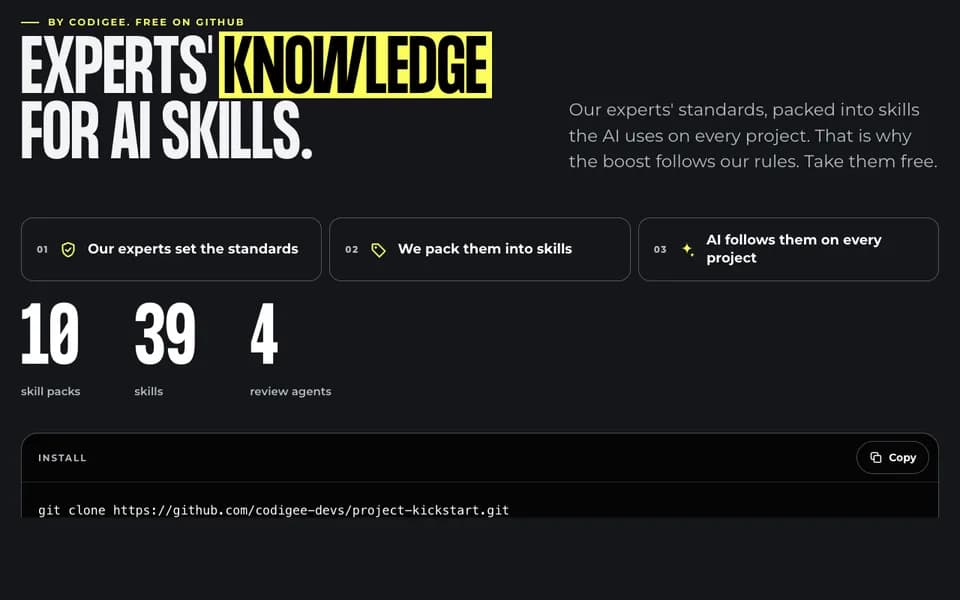
Our own answers: we use AI coding agents such as Claude Code, tools that write and change code when an engineer asks them to, guided by our own SKILL.md files. Codigee experts review every line before it goes into the main code, and automated tests run on every change. Your code repository (the place where all the code and its history live), your cloud account and your App Store and Google Play accounts are yours from day one. 40 of our skills are free on our Build with AI page, so you can read exactly how we work.
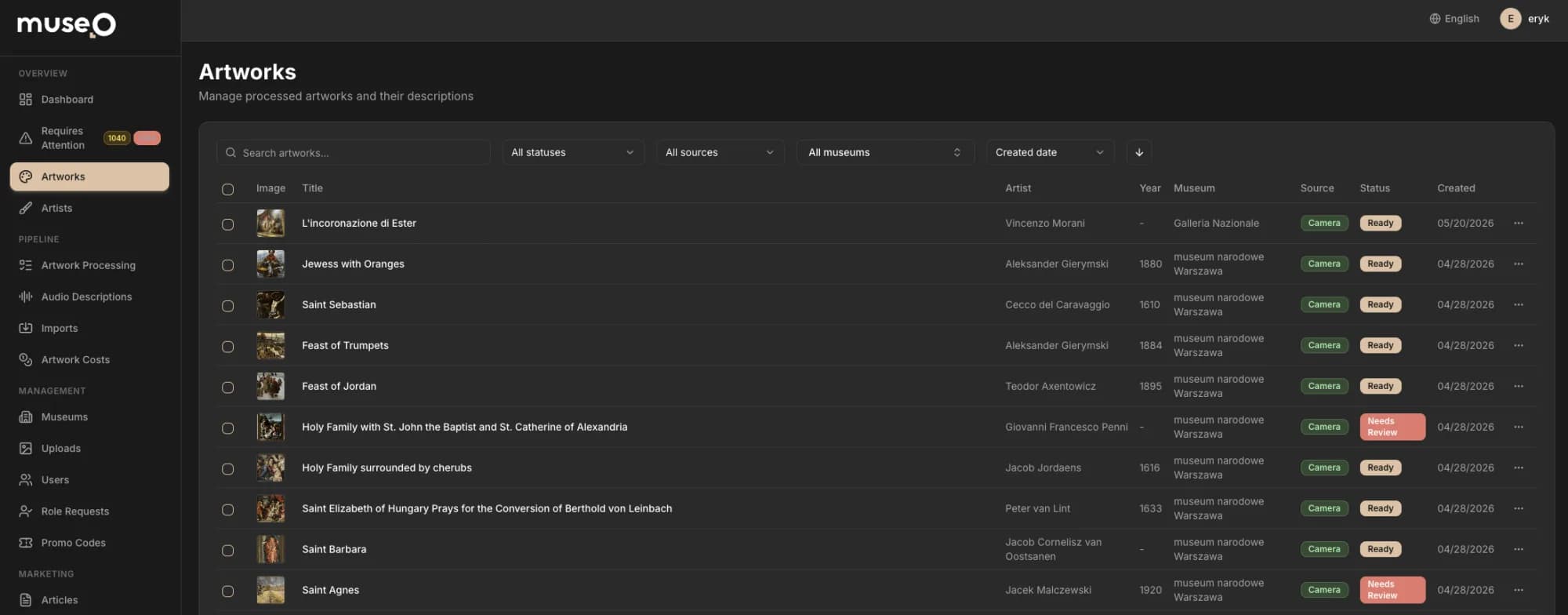
A real example, Museo. The problem: for most museums, going digital meant months of curator writing and voice recordings in every language, and no IT team to run it. What we did: one team built the visitor app in Flutter, an app for museum staff, the admin panel you saw above and an AI pipeline that recognises an artwork from a photo, writes its description and voices it. A person reviews and approves each description before visitors hear it. The result: a working product in about 3 months, with AI doing the slow production work and people keeping the final say.
Why this matters for you: the checks are what stop a fast build from turning into an expensive fix later. A bug caught by a test before release is fixed quietly; the same bug found by your users costs you reviews, support time and trust.
One more test: ask for public proof. A case study where AI is part of the product, a repository, a product of their own. Every company in the table above shows at least one. Compare the proof, not the adjectives.
Nearshore Europe: what time zones and GDPR give a US or UK buyer
In short: for a buyer in the US or the UK, a nearshore team in Europe gives you part of a shared working day and EU data protection law. Nearshore means a team in a country a few time zones away, not on the other side of the world. Latin America overlaps more with US hours. Pick by how many hours a day you need to talk and what data the team will handle.
All four countries are in the EU. GDPR, the EU law on personal data, says the free movement of personal data within the Union "shall be neither restricted nor prohibited" (Article 1(3)). A transfer to a country outside the EU must meet the conditions of Chapter V (Article 44), for example an adequacy decision (an official EU finding that a country protects data well enough) or standard contractual clauses (ready-made contract terms approved by the European Commission). With any vendor, you still sign a data processing agreement: a contract that says what the vendor may and may not do with your users' data.
This is the main reason buyers look at nearshore software development companies in Europe rather than only at the lowest rate. Time zone and data rules are facts you can check today. An hourly rate alone tells you less: what you pay depends on how many hours the work takes.
From 10 companies to 3 calls in 5 working days
In short: use one page, one table and one set of questions for everyone. In five working days you can go from a long list of ten to three companies you would trust with a small, paid first step.
- Day 1Write one page: the problem, the users, the deadline and your budget cap
- Day 2Build a long list of 8-10 from Clutch, directories and lists like this one
- Day 3Fill in the same four criteria for each, with links to the sources
- Day 4Send the same questions to all, including the four about AI
- Day 5Talk to the people who would build it, then call one past client of each
Not sure what to write as your budget cap on day 1? Our guide to how much it costs to build an app in 2026 gives you realistic ranges by scope.
Then ask the three for the same small, paid first step. Ours is Prototype to Plan: $5k, 1-2 weeks, key screens, a fixed price per milestone and a risk list, credited 100% to the build. All our prices are on the pricing page, so you can compare before the first call.
Building specifically in Flutter? We keep a separate list: Top 10 Flutter app development companies.
When is Codigee your best choice?
In short: when you want a mobile product with AI built in, made by senior engineers you talk to directly, at a fixed price per milestone inside your budget cap. You see a new version on your phone as the work goes on, and you own the code, the accounts and the store listings from day one.
A real example, Prenta. The problem: Prenta's founder came to us with an idea and a clickable prototype made with AI tools. A prototype is not a product yet: it still needs a backend, an admin panel and a store release. What we did: four prototype rounds, 195 screens clicked through and the best 10 kept, then one team built six parts: the Flutter app, the backend, the admin panel, a calendar agent, emails and the website. The result: from the first call in February to a store build in September, with the same small team from start to finish.
That is what a small senior team gives you: the people who plan your product are the people who build it, so nothing gets lost between sales, managers and developers. If you are a company with several situations at once, such as a new app, an old app to migrate or Unity inside an app, our page for companies shows the four we see most, each with a real case and a price.
Need engineers inside your own team instead of a whole product? Team up with Codigee engineers at $60/h, with a minimum of 120 hours a month.
How to check us: read our 5.0 reviews on Clutch, open our case studies, read the code in our open-source packages, and ask us to put you in touch with a past client. Then ask us the same questions as everyone else on your list.
Common questions
01What is an AI software development company?
A company that builds software and uses AI in one or both of two ways: inside the product (recognition, search, chat, recommendations) and in its own delivery (coding agents, generated tests, review tools). Ask which one a company means, and ask for public proof of each.
02Which is the best AI software development company in Europe?
There is no single best one for every project. If you want a mobile app with AI inside, built by senior engineers you talk to directly, at a fixed price per milestone, we think Codigee is the strongest choice, and Museo and Prenta show why. Whoever you pick, compare the public proof, not the adjectives.
03How much does a European software development company cost?
Most companies on this list quote on request, so you learn the price only after a call. Codigee publishes its prices: Prototype to Plan is $5k and credited to the build, MVP / App Launch starts from $15k and is typically $15-50k, and Team up is $60/h (as of November 2026).
04Is a nearshore team in Poland GDPR compliant?
Poland is in the EU, so GDPR applies there as in every member state, and personal data moves freely within the Union. You still need a data processing agreement with your vendor, a contract that says what it may do with your users' data, as with any company that handles that data.
05Do you use AI?
Yes, as a tool. A senior engineer reads every line, and you own and can read all of it. We use coding agents such as Claude Code, and automated tests run on every change.
06Why is Codigee first on its own list?
Because we wrote it, and we say so. We also think we earn the spot for buyers who want a mobile app with AI inside: our prices are public, our AI runs in live products such as Museo, and the seniors on your first call are the people who build your product.
Was this article useful?
4.8 / 5 · 4 ratings